If you've lived in the Waikato for any length of time, you'll know our winters have a personality all of their own. The good news is that a well-chosen heat pump makes them a lot more comfortable - warm rooms in the morning, lower power bills than older heating, and none of the damp chill that panel heaters and oil columns struggle to shift.
But not every heat pump is built for our climate. The cold overnight temperatures, high winter humidity, and the temperature inversions that settle into the Hamilton basin put more demands on a heating system than most coastal cities deal with. The difference between the right unit and the wrong one shows up fast, and usually on the mornings when you need it most.
This guide covers what to look for, and compares the wall and ducted units we install most often across Hamilton, Cambridge, and Te Awamutu.
Why Waikato winters are tougher than you might think
The Waikato sits in an inland basin. While coastal cities like Tauranga and Auckland are moderated by the sea, Hamilton and the surrounding towns get the full effect of cold southerlies, with nothing to take the edge off.
In practice, that means:
Ground frosts from May through to September, with overnight temperatures regularly dropping to 0–3°C
Temperature inversions - cold, dense air pooling in the basin, keeping mornings bitterly cold even when the rest of the North Island is mild
High humidity in winter, which makes 8°C feel significantly colder than it reads on the thermometer
Rapid daytime warm-up on fine days, meaning your system needs to respond efficiently to swings of 10°C or more in a single day
Why does this matter for a heat pump? Two key reasons:
Defrost cycles - When outdoor temperatures drop near freezing and humidity is high, frost can form on a heat pump's outdoor unit. To clear it, the system briefly reverses its cycle. A cheaper or undersized unit may spend more time in defrost mode, and less time actually heating your home. Quality units manage this quickly, without blasting cold air back into your rooms
Low-temperature capacity - A heat pump's rated heating capacity is measured at 7°C outdoor temperature. Waikato winters regularly push below that. The best units carry strong output ratings at 2°C and lower, and that's the number that matters on a hard frost morning in Hamilton.

What to look for when choosing a heat pump for your Waikato home
Before comparing specific models, here are the key specs that matter most in our climate:
Heating capacity (kW)
Needs to match your room size. An undersized unit runs constantly and still can't keep up. A professional assessment is the only reliable way to get this right - don't guess based on floor area alone.
Low-temperature performance
How well the unit heats when it's cold outside. Look for strong output ratings at 2°C outdoor temperature. Some units are rated to -15°C or lower, which gives you real confidence on the coldest Waikato mornings.
COP rating
Coefficient of Performance - how efficiently the unit converts electricity into heat. Higher is better. A COP of 3.5+ at 7°C is solid; 4.0+ is excellent. This is one of the main drivers of your ongoing running costs.
Defrost logic
How the unit manages frost on the outdoor coil. Look for 'intelligent' or 'smart' defrost systems that minimise the time spent defrosting and prevent cold air blowing back into the room.
Noise level (indoor)
Relevant if you're heating bedrooms or quieter spaces. Under 22 dB on low is near-silent. Standard units sit around 25–30 dB.
Inverter technology
A variable-speed compressor that adjusts output rather than switching on and off. All quality modern units have this. It means steadier temperatures and lower running costs.
Warranty
Five years parts and labour is a minimum worth looking for. Some brands offer six or seven years on selected models.
How to choose the right heat pump
Wall Units
Wall-mounted (high-wall) heat pumps are the most common choice for individual rooms and open-plan living areas. Here's how the models we install most often stack up.
Daikin Cora Series
The Cora is Daikin's entry-to-mid-range wall unit and consistently one of the best performers for the price. It's a solid all-rounder that handles Waikato winters well.
Pros:
Excellent low-temp performance
Near-silent on low (19 dB)
Competitive running costs
Strong Daikin support network across New Zealand
Cons:
Mid-range aesthetics
The app (Daikin Mobile Controller) can be fiddly to set u
Running cost: ~$0.07–0.10/hour on a typical winter heating cycle in a medium room
Best for: bedrooms, smaller living areas, secondary rooms
Daikin Alira X Series
The Alira X is Daikin's premium residential wall unit - a step up in design, efficiency, and features. A popular choice for main living areas where looks matter as much as warmth.
Pros:
Premium look and finish
Exceptional efficiency - COP of ~4.5 at 7°C
Built-in Wi-Fi
5-year warranty
Superior air filtration
Cons:
Higher upfront cost - best justified in main living areas where it gets the most use
Running cost: ~$0.06–0.09/hour - slightly cheaper to run than the Cora at equivalent output
Best for: main living areas, open-plan kitchens and dining, premium installs
Mitsubishi Electric MSZ-AP Series
Mitsubishi Electric is the other dominant brand in the New Zealand market, with a well-earned reputation for reliability and cold-weather performance. The MSZ-AP is their core residential wall unit.
Pros:
Exceptional cold-weather performance - rated to -20°C
Very reliable over time
Excellent NZ service network
Includes Hyper Heating (H2i) tech in larger models
Cons:
Styling is functional rather than premium
Slightly bulkier indoor unit than some competitors
Running cost: ~$0.07–0.10/hour
Best for: all room types - especially where cold-weather performance is the priority
Mitsubishi Electric MSZ-LN "Designer" Series
If you want top-tier performance in a unit that looks good on the wall, the LN is hard to beat. Available in several colours and finishes to suit modern interiors.
Pros:
Beautiful, slim design
Outstanding cold-weather performance - rated to -20°C
Wi-Fi built-in
3D airflow for even heat distribution
5-year warranty
Cons:
Premium price - like the Daikin Alira X, best suited to main living areas
Running cost: ~$0.06–0.09/hour
Best for: main living areas, design-conscious homes, premium renovations
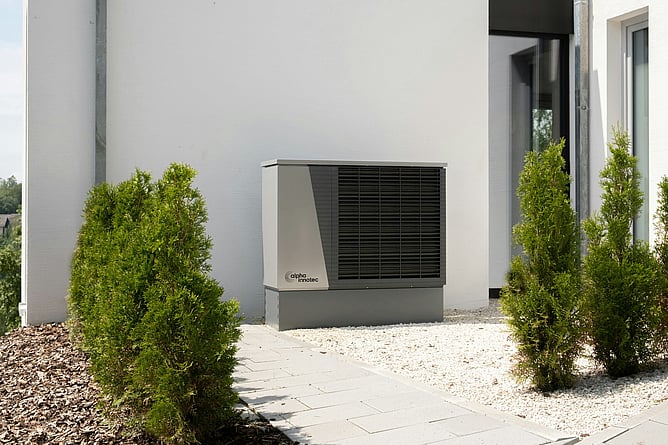
Ducted Systems
If you want consistent warmth throughout the entire home - no matter how many rooms - a ducted heat pump is worth considering.
A ducted system uses a single outdoor unit connected to a concealed indoor unit in the ceiling or subfloor, with outlets in each room.
Benefits for Waikato homes include:
Even, consistent temperature across every room from one system
No visible wall units - a clean, modern look throughout the home
Zoning options - heat only the rooms that are occupied
Can also provide central cooling in summer
We install Daikin and Mitsubishi Electric ducted systems. Both brands offer intelligent zoning controls, quiet operation, and strong cold-weather performance - the same qualities that make their wall units well-suited to our climate. Mitsubishi's Hyper Heating technology is available in ducted configurations, which means reliable output even on the coldest Waikato mornings.
Ducted systems are best suited to new builds, renovations, or larger homes where running multiple wall units would be impractical. The upfront installation cost is higher, but the running cost per room can be very competitive - and you're heating the whole house from a single, efficient system.
Get a free in-home assessment
No two Waikato homes are the same. An older villa in Frankton will heat very differently to a new brick home in Rototuna, and sizing a heat pump correctly makes a significant difference to both comfort and running costs.
At Aircon Group Waikato, we offer free, no-obligation in-home assessments across Hamilton, Cambridge, and Te Awamutu & all of Waikato We'll look at your room sizes, insulation, glazing, and usage patterns - and recommend the right system for your situation, not just the most expensive one.
FAQ's
Q: What is the best heat pump brand for Waikato winters?
A: Both Daikin and Mitsubishi Electric perform consistently well in our climate. Daikin's Alira X and Mitsubishi's MSZ-LN are the top performers for main living areas; the Cora and MSZ-AP offer excellent value at a lower price point. For most Waikato homes the brand matters less than getting the right size and installation quality - which is why we always recommend a proper in-home assessment before committing to anything.
Q: Will a heat pump work in a Waikato frost?
A: Yes - modern inverter heat pumps from leading brands are designed to operate effectively in temperatures as low as -15°C to -20°C. Waikato frosts typically sit at 0–3°C overnight, well within the operating range of quality units. Proper sizing and correct installation are just as important as brand choice.
Q: Why are Waikato winters harder on heat pumps than Auckland or Tauranga?
A: Because we're inland. Coastal cities benefit from the sea moderating overnight temperatures - in Hamilton and the wider basin, there's nothing to stop cold air pooling and sitting overnight. The temperature inversions we get in winter can keep Hamilton noticeably colder than coastal towns at the same latitude, and our higher winter humidity makes it feel colder still. This is why low-temperature performance and smart defrost logic matter more here than in milder parts of the country.
Q: How much does it cost to run a heat pump in winter in Waikato?
A: Running costs vary significantly based on the unit's efficiency (COP), your electricity tariff, insulation levels, and how much you use it. As a rough guide, a quality inverter heat pump costs $0.06–0.13 per hour of heating - significantly less than electric panel heaters or plug-in oil columns. See our full running costs guide for detailed worked examples.
Q: How do I know what size heat pump I need?
A: Room size is just the starting point. Insulation levels, ceiling height, number of windows, which direction the room faces, and how well the house retains heat all affect the right kW rating. Our Month 2 guide covers sizing in detail - and we offer free in-home assessments where we work it out precisely for your home.
Q: Do I need a heat pump if I'm a Waikato landlord?
A: Under New Zealand's Healthy Homes Standards, rental properties must have a fixed heating device capable of achieving at least 18°C in the main living room. A compliant heat pump is the most efficient way to meet this requirement. Waikato winters make under-heated rentals particularly uncomfortable - and non-compliance carries significant financial penalties. We install and service heat pumps for rental properties across the region.
Q: What's the difference between a wall-mounted and a ducted heat pump?
A: A wall-mounted unit heats a single room or open-plan area. A ducted system connects to outlets throughout the whole home from one outdoor unit - no visible wall units, consistent heat everywhere. Ducted is usually better suited to new builds or major renovations where ceiling access is available. For most existing Waikato homes, wall units (or a multi-split system for whole-home coverage) are the more practical choice. We'll give you an honest steer based on your home.
Q: How often does a heat pump need servicing?
A: We recommend a professional service once a year to keep the system running efficiently and protect the warranty. Between services, cleaning the indoor filters every 4–6 weeks makes a noticeable difference to both performance and air quality - especially in winter when the unit is running daily.