A heat pump is something you probably only think about when something goes wrong. As long as the house is warm on a frosty morning and the power bill isn't causing too much pain, it's easy to assume everything's working exactly as it should.
The reality is that heat pumps lose efficiency gradually - with filters collecting dust and outdoor coils gathering pollen and debris. Because the changes happen slowly, most people don't realise their system isn't performing as well as it used to until the room isn't heating properly, strange smells appear, or the unit stops altogether.
The good news is that heat pumps are remarkably reliable when they're looked after. A little routine maintenance and an annual professional service are usually enough to keep them running efficiently for well over a decade.
This guide explains how often your heat pump should be serviced, what you can do yourself, and the warning signs that tell you it's time to get someone in.
Why regular servicing matters
Heat pumps work hard in the Waikato.
For most of us, from May through to September, they'll be running everyday - dealing with frosty mornings, damp air, and temperature swings that can see a room needing heating before breakfast and cooling by late afternoon. Add pollen, dust, pet hair and moisture to the mix, and even a quality system starts to lose efficiency if it's left unchecked.
Regular servicing helps:
Maintain heating performance and efficiency
Reduce running costs
Improve air quality
Prevent mould and bacteria build-up
Extend the life of the unit
Reduce the likelihood of expensive repairs
Protect your manufacturer's warranty
Like a car, a heat pump doesn't suddenly stop because it missed one service. But over time, neglect catches up with it.
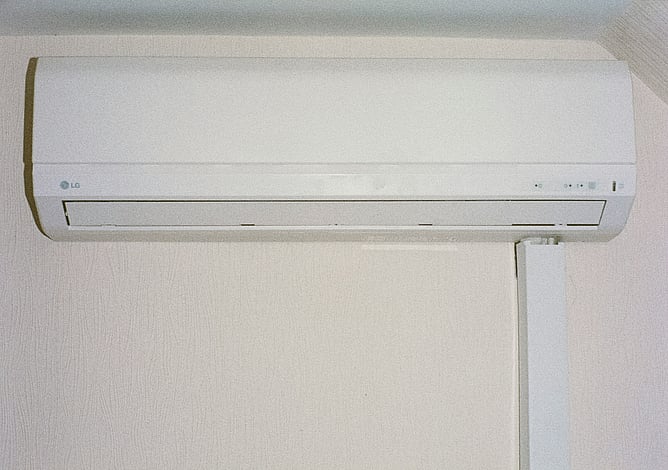
How often should a heat pump be professionally serviced?
For most Waikato homes, we recommend a professional service every 12 months.
That's enough to keep the system clean, efficient, and operating as it should.
Some homes benefit from more frequent servicing, including:
Homes with pets: Hair and dander can clog filters surprisingly quickly.
Homes where the heat pump runs year-round: If you're using the unit for both heating and cooling, it's working almost every day.
Rental properties: Regular servicing helps maintain reliability and keeps tenants comfortable.
Homes with allergy sufferers: Professional cleaning removes mould, dust and contaminants that standard filter cleaning can't reach.
Lifestyle blocks and rural properties: Dust, pollen and agricultural debris can build up faster than in urban environments.
In these situations, a service every six months can be worthwhile.
What can you do yourself?
The most important thing homeowners can do is clean the filters regularly.
Fortunately, it only takes a few minutes.
Every four to six weeks
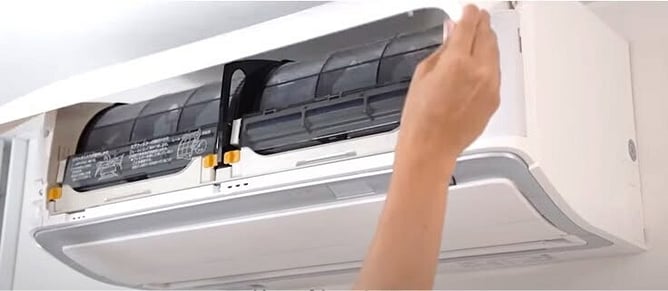
Open the front cover of the indoor unit.
Remove the filters.
Vacuum or rinse them under running water.
Let them dry completely.
Clip them back into place.
During winter, when the unit is running daily, monthly cleaning is a good habit to get into.
Dirty filters restrict airflow, forcing the heat pump to work harder to produce the same amount of heat. That means higher power bills and lower performance.
It's a simple job, but one that makes a noticeable difference.
What does a professional heat pump service include?
A proper service involves far more than just washing the filters.
A technician will typically:
Clean the indoor filters and coil.
Check and clean the outdoor unit.
Inspect electrical connections.
Test operating pressures and temperatures.
Check drain lines and condensate flow.
Inspect for corrosion or damage.
Ensure airflow is correct.
Test the thermostat and sensors.
Confirm the system is operating efficiently.
The aim is to catch small issues before they become expensive ones.
A loose connection, blocked drain or failing component is much easier to deal with during a routine service than on the coldest morning of the year.
Signs your heat pump needs attention
Sometimes the unit tells you something isn't right.
Common warning signs include:
It's not heating the room like it used to: Reduced performance is often caused by dirty filters, restricted airflow or a developing fault.
The unit smells musty: A damp or mouldy smell usually means moisture and bacteria have built up inside the indoor unit.
Strange noises: Clicking, rattling or buzzing noises can indicate loose components or wear.
Water is leaking inside: Blocked drains are one of the most common causes.
Power bills have increased: A struggling heat pump uses more electricity to achieve the same result.
It keeps turning itself on and off: Short-cycling may indicate airflow problems, sensor issues or incorrect sizing.
If any of these problems appear, it's worth having the system checked before they develop into something bigger.
Does servicing really save money?
In most cases, yes.
A clean, well-maintained heat pump runs more efficiently than one that's fighting through dust and restricted airflow.
That doesn't just mean lower power bills. It also means:
Fewer breakdowns.
Better air quality.
More reliable heating during winter.
Longer system life.
Lower repair costs over time.
Considering a quality heat pump can last 12–15 years or more, an annual service is a relatively small investment in protecting the system you've already paid for.
Get your heat pump performing at its best
Like any appliance that works hard year after year, a heat pump performs best when it's properly maintained.
At Aircon Group Waikato, we provide professional heat pump servicing throughout Hamilton, Cambridge, Te Awamutu and the wider Waikato region. We'll thoroughly clean the system, check that everything is operating properly, and identify any small issues before they become expensive repairs.
Whether your heat pump is due for its annual service, you've noticed a drop in performance, or something just doesn't seem right, we're happy to help.
Call us on 0508 224 7687 or request a service online.

FAQ's
Q: How long should a heat pump last?
A: Most quality heat pumps will last 12–15 years, and often longer, provided they're installed correctly and serviced regularly. We've seen well-maintained systems still performing reliably after 20 years, while neglected units can develop problems much sooner.
Q: Is it worth servicing an older heat pump?
A: Usually, yes. Even a ten or fifteen-year-old system can often benefit from a professional clean and inspection. If parts are becoming difficult to source or repair costs start outweighing replacement costs, we'll tell you honestly. Many issues that people assume mean "new heat pump time" are actually straightforward fixes.
Q: Can dirty heat pump filters make my power bill higher?
A: Absolutely. Restricted airflow forces the heat pump to work harder to move the same amount of air. Over time, that extra effort can increase electricity consumption and reduce heating performance. It's one of the easiest and cheapest problems to avoid.
Q: Should I turn my heat pump off when I’m away for the weekend?
A: For short periods, yes. There's no need to leave the unit running if nobody is home. When you return, avoid setting the thermostat excessively high thinking it will heat faster. A steady 18-20°C is usually the most efficient and comfortable setting.