Spring in the Waikato brings a unique kind of discomfort. One day it’s a crisp 14°C morning, and the next, a damp, muggy afternoon leaves your living room feeling like a sauna.
When that sticky moisture sets in - whether you're dealing with coastal humidity in Raglan or heavy spring rain across Hamilton, Cambridge, and Te Awamutu - many homeowners reach straight for a portable plug-in dehumidifier. Appliance stores push them heavily every October, with price tags anywhere from $300 to $700.
What most people don’t realise, however, is that if you already have a modern heat pump installed, you already own a world-class dehumidifier.
Here’s how a heat pump’s built-in "Dry Mode" compares to a standalone portable unit, and why using your air conditioner is almost always the smarter, cheaper choice.
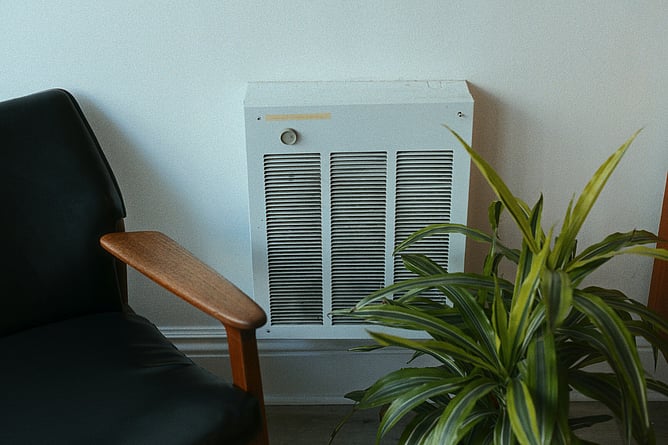
How They Work: The Science Behind the Moisture
Both appliances remove water from the air using the exact same refrigeration cycle: warm, moist air is pulled across cold coils, causing moisture to condense into liquid water. The difference lies in where that heat and water go next.
Standalone Dehumidifiers: Pull air into a small box in the middle of your room, blow it over cold coils to extract moisture, and then blow the air back into the room over warm condenser coils. Because the heat stays inside, these units actually warm up the room slightly while operating - which isn’t ideal on a muggy day.
Heat Pumps (Air Conditioning): Extract moisture using the large indoor coil surface, but vent all the heat outside through the outdoor compressor. The condensed water drains directly outside through a pipe, meaning you never have to empty a bucket.
Head-to-Head Comparison
Feature | Standalone Portable Dehumidifier | Heat Pump (Dry / Dehumidify Mode) | ||||||||||||
|---|---|---|---|---|---|---|---|---|---|---|---|---|---|---|
Moisture Removal Rate |
| ~10 to 20 litres per day |
| Up to 30+ litres per day | ||||||||||
Energy Efficiency | Uses 300W–600W of direct power | Inverter technology uses a fraction of the power | ||||||||||||
Convenience | Must empty water bucket manually | Drains automatically outside | ||||||||||||
Floor Space | Takes up floor space | Mounted on the wall | ||||||||||||
Noise Level | Loud internal compressor in the room | Whisper-quiet indoor unit |
Why "Dry Mode" on Your Heat Pump Wins
1. Massive Energy Savings
Heat pumps use inverter technology, allowing them to scale down their power consumption once the room reaches the ideal humidity level. A standalone dehumidifier typically runs flat-out at high wattage the entire time it’s plugged in. Running your heat pump on "Dry Mode" (usually represented by a raindrop icon on your remote) cools the air just enough to pull litres of moisture out of the room while keeping your power bill remarkably low.
2. No More Constant Water Buckets
A standard portable dehumidifier holds around 2 to 4 litres of water. On a truly muggy Waikato day, that tank will fill up every few hours, automatically shutting the machine off until you manually empty it into the sink. A heat pump drains water continuously through a dedicated exterior pipe - set it on a timer, and it works uninterrupted.
3. Superior Air Circulation and Coverage
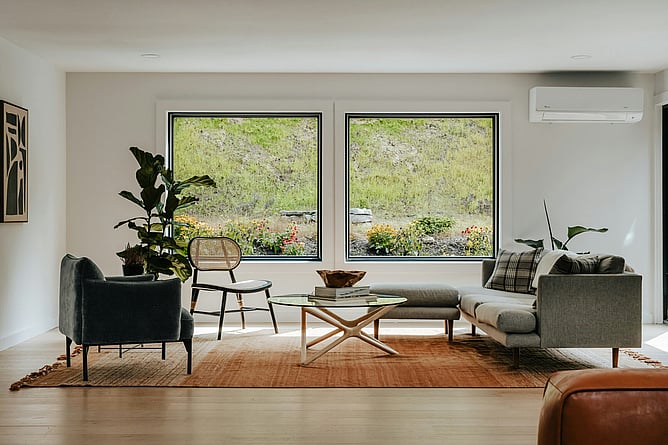
Portable units rely on small internal fans that struggle to circulate air through large spaces or open-plan living areas. A wall-mounted heat pump is elevated to distribute air evenly across the entire room, filtering out dust and spring pollen at the same time through its internal filters.
When Does a Portable Unit Make Sense?
While a heat pump is the clear winner for living areas, bedrooms, and main hallways, standalone units still have a niche:
Unheated back rooms or laundries that don't have a heat pump installed.
Drying clothes indoors in a small, closed spare room on rainy spring days.
Rental properties where fixed heating or cooling isn't fitted in secondary rooms.
The Bottom Line for Waikato Homeowners
Before you spend $400+ on a bulky portable appliance this spring, grab your heat pump remote and look for the raindrop icon.
Running your heat pump on Dry Mode will clear the mugginess from your home faster, quieter, and for a fraction of the running cost - without taking up a single square inch of floor space.
Get Maximum Efficiency From Your System
If your heat pump isn't clearing humidity as quickly as it used to, or if switching to Dry Mode causes a stale or musty smell in your home, your filters or indoor coils may need a spring service.
At Aircon Group Waikato, we offer comprehensive servicing and free in-home climate assessments across Hamilton, Cambridge, Te Awamutu, Raglan, and the wider Waikato. We'll make sure your unit is performing at peak efficiency so you stay comfortable and save money all spring and summer long.
Call us on 0508 224 7687 or request a free quote online.
FAQs
Q: Which icon on my remote is "Dry Mode"?
A: On almost all major brands (Mitsubishi Electric, Panasonic, Daikin), Dry Mode is represented by a single water drop or raindrop icon. Check your remote screen or manual to ensure you aren't accidentally on "Cool" (snowflake) or "Auto".
Q: Does Dry Mode actually cool the room down?
A: Yes, slightly, but not as aggressively as Cool Mode. Dry Mode operates by running the cooling cycle at low fan speeds to allow maximum moisture condensation on the coils. It lowers room temperature by a degree or two, but the primary sensation of comfort comes from reducing the relative humidity.
Q: How much power does Dry Mode use compared to Cool Mode?
A: Dry Mode generally uses significantly less electricity than full Cool Mode because the indoor fan runs at a very low speed and the compressor scales back once humidity drops. It’s one of the most cost-effective ways to manage indoor comfort on muggy spring days.
Q: Can I run Dry Mode overnight in my bedroom?
A: Absolutely. In fact, Dry Mode is ideal for humid spring nights in the Waikato. Because it runs on low fan speeds, it operates whisper-quietly and prevents the clammy feeling that often wakes people up, without over-chilling the room.